
Kenya has signed a carbon trading agreement with Singapore in a move expected to open new opportunities for international climate financing, investment and the development of green energy projects.
The agreement, signed on Monday, November 16, 2026, establishes a framework through which the two countries can cooperate in generating and transferring carbon credits under the Paris Agreement.
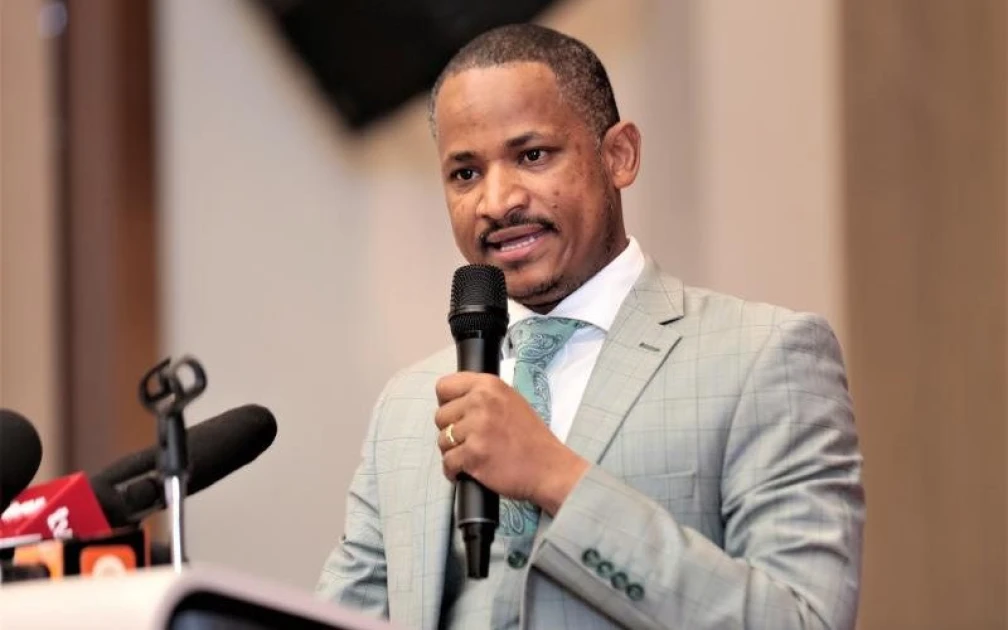
Environment Cabinet Secretary Deborah Barasa and Singapore's Minister for Sustainability and the Environment, Grace Fu, presided over the signing ceremony at the Singapore Pavilion during the ongoing COP31 climate conference in Antalya, Türkiye.

The deal builds on a Memorandum of Understanding signed by the two countries in Nairobi on May 18, 2023. It takes their cooperation a step further by establishing procedures for approving carbon reduction projects and transferring the resulting credits internationally.
Speaking during the ceremony, Barasa described the agreement as an important step in strengthening relations between the two countries.
"Climate change is not merely an environmental challenge; it is an economic, social and development challenge that demands innovative financing, strong partnerships and collective action," she said.
How the carbon trading agreement will work
The partnership falls under Article 6.2 of the Paris Agreement, which allows countries to cooperate voluntarily in reducing greenhouse gas emissions and transferring verified emission reductions between them.
Under the arrangement, eligible Kenyan projects could generate carbon credits that may be transferred to Singapore, subject to government approval and international accounting requirements.
Carbon credits represent verified reductions or removals of greenhouse gas emissions. They can be purchased by governments and businesses seeking to meet certain climate commitments.
The agreement also provides for corresponding adjustments, a system designed to prevent the same emissions reduction from being counted towards the climate targets of both countries.
It further establishes joint oversight, reporting requirements and registry arrangements to improve transparency and accountability.
Barasa said Kenya had already established a legal framework to regulate carbon trading through the Climate Change (Amendment) Act, 2023, and the Climate Change (Carbon Markets) Regulations, 2024.
She maintained that the country would prioritise environmental protection and the interests of local communities as it expands its participation in international carbon markets.
"We must ensure that carbon market investments do more than generate carbon credits. They must create jobs, support local communities, protect biodiversity, improve livelihoods and contribute to our broader national development priorities," she said.
Kenya's green energy potential attracts Singapore
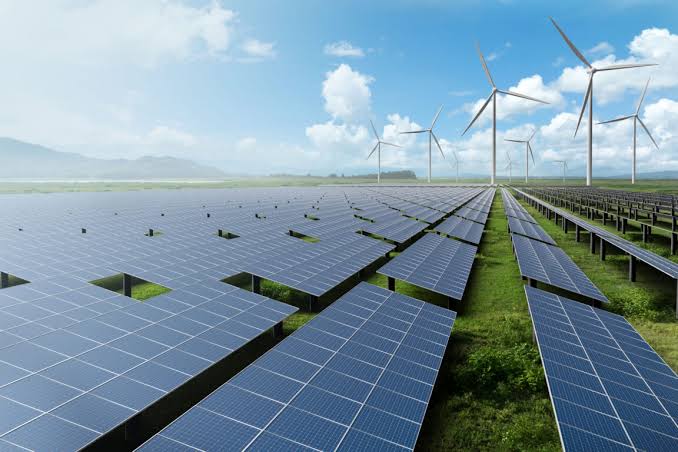
The agreement comes as Kenya seeks to attract more investment into its renewable energy sector and natural resources.
The country has significant opportunities in forests, wetlands, grasslands, mangroves and renewable energy, which can support projects aimed at reducing greenhouse gas emissions.
Singapore's Grace Fu praised Kenya's progress in renewable energy, noting that more than 90 per cent of its electricity was generated from renewable sources in 2024.
She also highlighted Kenya's contribution to Africa's carbon markets, saying its projects accounted for approximately one-fifth of the continent's energy-related carbon market revenues that year.
Fu said international cooperation was essential in helping countries secure the financing needed to address climate change.
"No country can tackle the impacts of climate change such as rising sea level alone," she said.
Singapore views Kenya as an important partner because of its established carbon market framework, while the Asian country brings financial and carbon services expertise that could help attract investors to eligible projects.
The agreement could therefore create opportunities for Kenyan project developers and businesses seeking international financing for activities that reduce or remove emissions.
However, the signing does not mean that all Kenyan carbon projects will automatically qualify for international trading. They will have to meet the agreed standards and receive the necessary government authorisation.
What happens next?
Barasa said the signing was only the beginning, with the success of the partnership depending on how quickly the two countries put its provisions into practice.
The immediate priorities include establishing a Joint Committee to oversee cooperation, developing common procedures for project approval and identifying eligible carbon credit programmes and methodologies.
The two countries will also work on strengthening their carbon registries and reporting systems to ensure that international transfers are properly recorded.
Singapore's carbon market framework indicates that businesses are expected to be able to submit eligible projects for government authorisation from 2027.
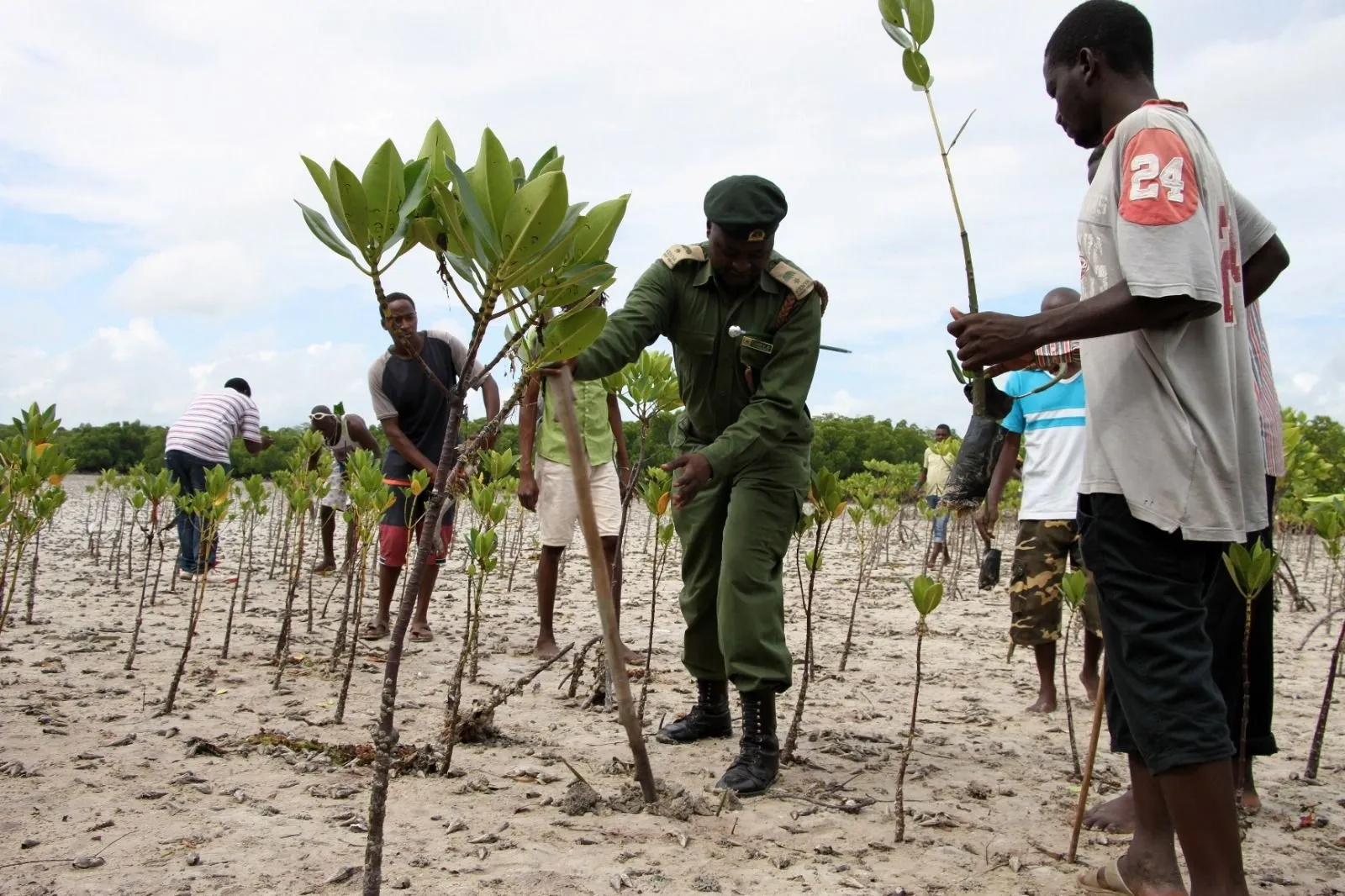
Barasa urged project developers, investors and technical teams to work together to identify initiatives that could deliver measurable environmental and economic benefits.
She added that Kenya would remain open to international climate investment but insisted that projects must comply with national laws and support the country's development priorities.
The agreement places Kenya among Singapore's partners in international carbon market cooperation, with the two countries seeking to turn climate commitments into investment opportunities while maintaining environmental safeguards.